
Crypto Mining 2026
Crypto mining has changed more in the last two years than it did in the previous decade. New technology, rising energy costs, and the latest Bitcoin halving reshaped everything. But the biggest transformation arrives now, as crypto mining 2026 steps into an era powered by artificial intelligence.
Mining is no longer only a race for raw hash power. It has become a race for smarter machines, precise optimization, and intelligent energy use. AI is rewriting the rules. It tunes rigs faster than any human. It predicts profitability more accurately than any chart. And it stabilizes mining farms that once struggled to stay afloat.
This shift puts miners in front of a new reality. The strategies that worked in 2021 or 2023 no longer apply. Efficiency, automation, and compute-based revenue streams now define success. Through this article, you will see how crypto mining 2026 sets its own standards. You will also discover why AI-optimized rigs, automated tuning systems, and hybrid mining models are becoming essential for anyone who wants to stay profitable.
1. The State of Crypto Mining in 2026
The mining world entering 2026 feels completely different from earlier cycles. The halving reduced rewards again. Block difficulty climbed. New coins surged while older chains became more competitive. The result is simple: miners must do more with less. And this pressure becomes even stronger as crypto mining 2026 introduces new layers of complexity.
But the ecosystem didn’t collapse. Instead, it evolved. Miners discovered better energy setups. They adopted smarter firmware. They tested hybrid mining across compute and blockchain tasks. These innovations softened the impact of reduced block rewards. They also created a more stable mining economy built around efficiency rather than brute power.
Another important shift happened inside GPU mining. While some chains lost profitability, new compute-driven networks appeared. These networks reward GPU power used for AI training, inference, or rendering. Their emergence widened the mining landscape and pushed miners to rethink their approach.
Because of all these changes, crypto mining 2026 is no longer about surviving difficulty spikes. It is about mastering new tools, learning new models, and adapting quickly to a market shaped by intelligence rather than chance.
2. How AI Is Transforming Mining Efficiency
Artificial intelligence sits at the center of mining’s evolution. It changes how miners tune their rigs. It changes how mining farms respond to heat, pressure, and power fluctuations. And it changes how everyone predicts profit in a volatile ecosystem. This transformation defines the heart of crypto mining 2026.
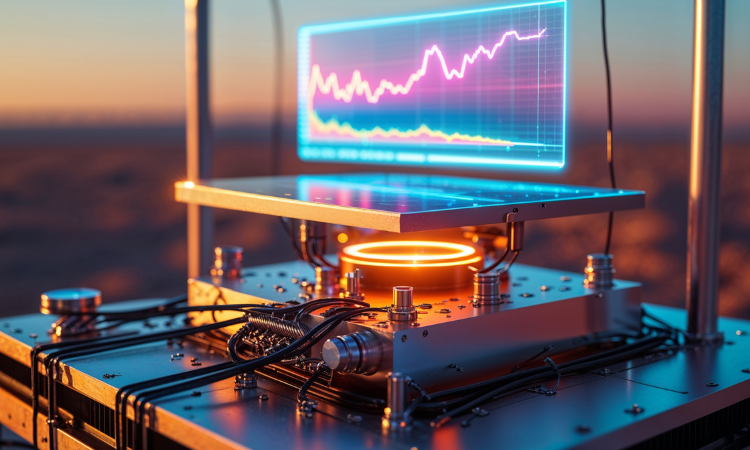
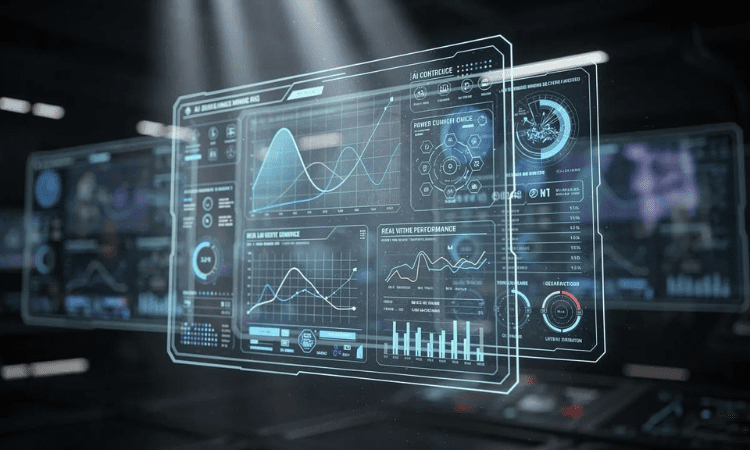
AI tuning systems monitor temperature, fan curves, voltage, and clock speeds in real time. They adjust settings second by second based on sensor data. This reduces wasted power. It extends hardware lifespan. And it keeps rigs running at peak efficiency even under unpredictable loads.
Prediction models powered by AI analyze network difficulty, hash price, and reward cycles. They detect patterns humans miss. They also forecast short-term profitability ranges. With these insights, miners switch between coins or compute tasks at the right moment rather than guessing.
AI also manages energy use. It balances workloads around off-peak electricity hours. It turns rigs on or off depending on power cost spikes. And it coordinates with solar arrays or microgrid systems when available. This level of precision becomes critical in crypto mining 2026, where every small gain influences long-term profitability.
In simple terms, AI eliminates inefficiency. It closes the gap between what miners expect and what their rigs deliver. It turns mining into a data-driven discipline instead of an uncertain experiment.
3. AI-Optimized Rigs: What They Are and How They Work
A new generation of mining hardware is emerging. These machines look familiar from the outside. But inside, they operate with intelligence that older rigs never had. These are AI-optimized rigs, the backbone of crypto mining 2026.
AI-optimized rigs contain embedded learning modules. These modules track performance constantly. They adjust frequency levels, voltage limits, and thermal behavior without requiring manual changes. As conditions shift, the rig adapts instantly. It never waits for human input. It also avoids the overheating, throttling, or instability that cost miners money.
Firmware inside these rigs evolves through machine learning. It analyzes months of operation data. And it learns how each ASIC or GPU behaves under different environmental conditions. It then creates custom profiles tailored specifically to that unit. This level of personalization was impossible before AI entered the mining industry.
What makes these rigs even more powerful is self-diagnosis. AI monitors component wear. It predicts failure before it happens. It alerts miners early enough to prevent catastrophic downtime. This proactive health system saves both time and money.
Because of these features, AI-optimized rigs are not just faster. They are smarter. They operate with precision. And they carry mining into the next decade by redefining what performance really means inside crypto mining 2026.
4. The Rise of Compute Mining (Beyond Traditional Coins)
A major shift is happening inside crypto mining 2026. Miners are discovering a new revenue stream that does not rely on traditional proof-of-work coins. This new direction is called compute mining, and it changes everything. Instead of generating hash power, miners offer GPU compute for artificial intelligence workloads, rendering tasks, inference models, and decentralized compute networks.
This shift started slowly. AI researchers demanded more GPU power. Cloud providers raised prices. At the same time, GPU miners searched for profitable alternatives after several networks reduced rewards. These events pushed both industries together. Now, compute mining grows faster than many crypto sectors.
Networks like Render (RNDR) allow miners to rent GPU power for 3D rendering and AI inference. Bittensor (TAO) rewards miners who contribute to decentralized machine intelligence. Akash Network (AKT) creates a decentralized cloud where miners sell computing power to developers. These examples show how deep the connection between compute and blockchain has become.
Compute mining has several advantages. It stabilizes income because AI demand remains high. It reduces dependence on unpredictable network difficulty. And it opens new markets where GPU power becomes a valuable commodity beyond hashing.
Inside crypto mining 2026, miners no longer survive by guessing which coin will pump next. They earn by powering AI models, decentralized applications, and global compute networks. This expands the meaning of mining itself. It becomes more than securing blockchains. It becomes the foundation of digital intelligence.
Another important detail is long-term sustainability. Compute mining often uses lower power modes. It focuses on efficiency and consistency rather than maximum output. This reduces strain on hardware and extends the lifespan of rigs.
Because of all these benefits, compute mining continues to grow. It builds a hybrid future where mining merges with AI. It also creates a stronger, more diverse ecosystem inside crypto mining 2026.

5. Energy Optimization: Solar, AI Grids, and Micro-Mining Setups
Energy determines whether mining is profitable. That fact never changed. What changed is how miners manage energy. Artificial intelligence now controls large parts of energy usage. And this new capability becomes essential inside crypto mining 2026.
AI systems evaluate power prices in real time. They shift workloads to hours where electricity is cheaper. Also they pause rigs automatically when grid prices spike. They resume operations when rates drop again. This automation eliminates guesswork and protects miners from unexpected costs.
Solar energy plays a bigger role than ever. Miners combine solar arrays with smart inverters and battery storage. AI predicts weather patterns, energy production, and consumption cycles. It distributes mining tasks based on expected sunlight. This synergy turns renewable energy into a reliable mining resource.
Micro-mining setups also grow in popularity. These setups use compact rigs powered by solar panels or small off-grid solutions. They operate inside homes or remote locations with minimal noise or heat. AI helps coordinate multiple small setups as one network. This strategy increases resilience while lowering operational stress.
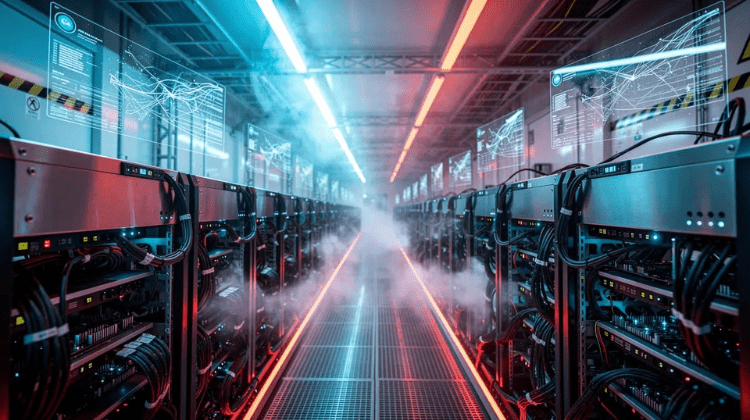
Inside larger mining farms, AI manages cooling. It optimizes airflow through predictive ventilation. It adjusts fan curves based on humidity and environmental temperature. This reduces power consumption significantly and extends hardware lifespan.
Another breakthrough in crypto mining 2026 is energy routing. AI determines which rigs should run at full capacity and which should run at reduced modes. It evaluates potential output against energy cost. This dynamic balancing creates smoother, more profitable operations across the entire farm.
All these innovations increase profitability without needing new hardware. They simply use intelligence to create a smarter energy ecosystem. As a result, miners save power. They stabilize revenue. And they build sustainable models that fit the new era.

6. Miner Rewards, Revenue Models, and the New “Profit Rules”
The profit structure of mining is different now. Old strategies that relied on picking one coin and hoping for a price increase are disappearing. New approaches dominate crypto mining 2026, and these approaches rely on diversification, automation, and compute-backed income.
The first major rule is simple: the more utility your hardware provides, the more money you make. Hashing power alone is no longer enough. Compute power, AI training capacity, and inference availability create new income streams. Miners turn their rigs into multi-purpose engines instead of single-task tools.
The second new rule is automated decision-making beats manual prediction. AI bots choose the best mining tasks based on reward rates, difficulty forecasts, and compute demand. These bots eliminate emotional decisions. They follow data. This produces smoother income curves and fewer losses.
The third rule is energy efficiency creates profit. The cost of electricity shapes every financial result. Energy-aware mining powered by AI becomes the winning formula. Intelligence, not brute force, defines success in crypto mining 2026.
Another key change is reward structures. Miners no longer earn only from block rewards.
They also earn:
compute rental fees
storage contributions
node participation
staking rewards
token incentives inside decentralized AI networks
This multi-layered system builds resilience. If one income source drops, another rises. That reduces volatility and improves long-term stability.
Finally, risk management evolves. AI monitors market cycles, network congestion, and profitability shocks. It adjusts strategies instantly. It protects miners from sudden downturns. This protective layer becomes essential for anyone participating in crypto mining 2026.
Altogether, these profit rules create a more advanced mining environment. Miners who adapt early reap the greatest benefits. Miners who ignore them fall behind quickly.

7. Environmental Changes: Greener, Smarter, Cleaner Mining
The mining industry has struggled with environmental criticism for years. But the shift toward smarter tools, decentralized energy sources, and AI-optimized processes transforms this narrative inside crypto mining 2026. The new mining landscape is not only more efficient. It is also more sustainable.
AI-driven mining reduces wasted electricity. It minimizes idle periods. It lowers thermal output. This optimization alone cuts energy consumption significantly. It also helps rigs operate in safer temperature ranges, which prolongs hardware life and reduces electronic waste.
Renewable energy also becomes a major pillar. Solar setups integrate with AI systems that forecast sunlight and adjust mining activity accordingly. Wind-assisted mining farms operate in regions with high airflow potential. Hydropower supports stable, low-carbon mining in remote areas. These integrations create greener mining clusters that benefit both miners and surrounding communities.
Another positive change appears through DePIN networks. These decentralized physical infrastructure systems distribute mining across thousands of small nodes. Instead of concentrating energy use in massive farms, they spread mining activity across homes and micro-locations. This distribution lowers regional grid stress. It also uses energy more efficiently.
The environmental impact of crypto mining 2026 changes because intelligence enters the process. Mining becomes dynamic instead of constant. It becomes adaptive instead of rigid. And it becomes eco-friendly because AI ensures every watt contributes to meaningful output.
This shift represents more than a technical improvement. It represents a cultural change inside the mining ecosystem. Miners begin to value sustainability because sustainability supports long-term profitability. As AI refines energy usage, mining evolves into a cleaner, smarter activity aligned with the future of digital infrastructure.

8. Risks and Challenges in AI-Powered Mining
Every innovation introduces challenges. The same is true for the evolution unfolding inside crypto mining 2026. Understanding these risks helps miners avoid costly mistakes and operate with greater security.
The first major challenge is hardware accessibility. AI-optimized rigs cost more at launch. Their advanced modules and specialized firmware increase entry costs. New miners must consider whether these investments match their expected returns. Balancing cost and performance becomes critical.
Firmware integrity also creates new risk. AI-powered systems rely on complex software layers. If attackers manipulate these layers, miners could lose control of their rigs or suffer hidden inefficiencies. Protecting firmware with secure modules and reliable updates becomes essential in 2026.
Another challenge is model reliability. AI prediction tools work well most of the time, but they can misread market signals. When this happens, miners might follow strategies that reduce profits. AI provides incredible guidance, but miners must remain aware of its limitations and avoid blind trust.
Regulation remains uncertain. Governments continue shaping new rules for digital assets. Some jurisdictions explore limits on energy consumption. Others focus on decentralized compute networks. Miners must stay informed to avoid compliance issues as crypto mining 2026 progresses.
Token volatility creates additional risk. Compute networks reward miners through native tokens. Market fluctuations can amplify or reduce earnings quickly. A diverse income model helps, but miners should monitor token performance closely.
Finally, skill gaps appear as mining grows more complex. Understanding AI tools, prediction models, and compute networks requires new knowledge. Miners who embrace continuous learning thrive. Miners who resist change fall behind.
These challenges do not threaten mining’s future. They simply shape the rules of engagement. Successful miners understand these risks and use them to build stronger strategies inside crypto mining 2026.

9. The Future of Mining: What Comes After 2026?
Mining in 2026 feels advanced, but it is only the beginning. As AI and blockchain move closer together, the entire mining industry prepares for an even larger transformation. This prepares the foundation for what comes after crypto mining 2026, and these changes may redefine mining entirely.
In the near future, autonomous AI agents will manage mining farms. These agents will schedule workloads, negotiate compute contracts, and optimize energy usage without human intervention. Mining farms will shift from manual monitoring to intelligent self-governance.
Compute networks will grow stronger as AI adoption accelerates worldwide. Miners will contribute to decentralized training environments. They will power autonomous applications. And they will provide compute for robotics, automation, and next-generation machine learning.
Mining will also integrate deeper with DePIN networks. IoT devices, drones, cameras, and edge sensors will rely on decentralized compute for real-time decision-making. Miners will serve as the backbone for these global systems. Their rigs will provide the intelligence that powers modern infrastructure.
The hardware landscape will evolve as well. Rigs will become lighter, more modular, and more efficient. They will consume less power and deliver more output. Firmware will update continuously through AI-driven patches. Mining equipment will behave like adaptive machines rather than static devices.
Long-term projections suggest the rise of hybrid networks that blend proof-of-work, proof-of-intelligence, and compute-driven economic models. These models will not secure blockchains alone. They will power entire ecosystems of decentralized AI applications.
As all these trends unfold, crypto mining 2026 serves as a preview of mining’s future. The next decade will bring even more automation, intelligence, and opportunity. Miners who adopt these tools early will lead the next wave of digital infrastructure—while others struggle to keep pace.

Conclusion of Crypto Mining 2026
Crypto mining enters a new era in 2026. This era is defined by intelligence, not brute force. It is shaped by AI systems that optimize rigs, predict market conditions, and manage energy with precision. It is supported by compute networks that reward miners for contributing to AI workloads. And it is strengthened by sustainable practices that align mining with modern energy standards.
Through crypto mining 2026, miners discover new revenue streams that go far beyond traditional block rewards. They gain access to decentralized compute markets. They earn through multiple income channels. And they build mining environments that are resilient, stable, and adaptive.
Mining no longer belongs to those with the largest farms. It belongs to those who understand the power of intelligence. The miners who embrace AI will set the pace. They will shape the future of decentralized infrastructure. And they will stand at the front of the next evolution of the crypto ecosystem.
The industry has changed. The rules have changed. And the future now belongs to smarter miners—not louder machines.

FAQ Section Crypto Mining 2026
1. How does AI improve mining profits in 2026?
AI optimizes hardware performance, manages energy usage, and predicts market trends. These improvements create smoother, more stable profits inside crypto mining 2026.
2. What is an AI-optimized mining rig?
It is a rig with embedded learning modules and adaptive firmware that tunes itself automatically. These rigs enhance performance and reduce energy waste.
3. Does compute mining replace traditional proof-of-work mining?
Compute mining complements traditional mining. It adds new income sources and reduces reliance on limited block rewards.
4. Is AI mining hardware more expensive?
Yes. However, the long-term efficiency and extended hardware lifespan often justify the higher initial cost.
5. How can home miners use AI tools in 2026?
They can install AI-driven firmware, use predictive profitability bots, and integrate smart energy systems to improve efficiency.
The Guide That Can Save You Hours of Guessing – Make Money The Pro Way