


🚀 Crypto Wallet Security
Many people enter crypto believing the greatest threat to their portfolio is market volatility. They worry about price crashes, bear markets, and sudden shifts in investor sentiment. Yet history repeatedly shows that some of the largest losses in crypto have nothing to do with market movements at all.
A different risk operates quietly in the background. It affects beginners and experienced investors alike. Unlike volatility, this risk can wipe out a portfolio permanently, often without warning and with no possibility of recovery.
That risk is poor crypto wallet security.
Every year, investors lose access to digital assets through exchange failures, phishing attacks, compromised devices, and avoidable mistakes in private key management. In many cases, the affected assets were never stolen through sophisticated hacking. Instead, they were lost because ownership was not protected properly.
As the crypto industry matures, security is becoming more important than speculation. Buying an asset is only the first step. As discussed in our guide on the hidden responsibilities of owning crypto, true ownership extends far beyond purchasing an asset. Protecting that asset is what determines whether ownership survives over time.
The uncomfortable truth is simple: many investors spend weeks researching which coin to buy and only minutes thinking about how to secure it.
That imbalance creates one of the most expensive mistakes in modern finance.
Section 1 — Why Most Investors Focus on the Wrong Risk
When people evaluate crypto risk, they usually focus on price. News headlines reinforce this habit. Markets rise, markets fall, and investors become conditioned to believe that volatility is the primary threat to their financial future.
Price movements certainly matter. A portfolio can lose significant value during a market downturn. However, volatility is temporary. Markets recover, trends change, and assets continue to trade.
Security failures are different.
A compromised wallet, stolen recovery phrase, or inaccessible account can result in permanent loss. Unlike a market correction, there is often no recovery path once digital assets disappear.
This distinction is important because many investors spend enormous effort analyzing charts while neglecting basic crypto wallet security practices. They study technical indicators, monitor social media sentiment, and track macroeconomic events. Meanwhile, their assets remain exposed through weak passwords, unsecured devices, or excessive reliance on third parties.
The irony is striking. Investors frequently accept substantial security risks in an attempt to avoid market risks that may never materialize.
A simple thought experiment illustrates the difference. Imagine two investors holding identical portfolios. One experiences a 50% market decline during a bear market. The other loses access to their wallet entirely because of poor security practices.
The first investor still owns the asset and can participate in future recoveries. The second investor owns nothing.
That is why security deserves far more attention than it typically receives.

Section 2 — The Illusion of Safety on Exchanges
Cryptocurrency exchanges have played a critical role in the growth of the industry. They make buying, selling, and managing digital assets accessible to millions of people around the world.
Convenience, however, often creates a false sense of security.
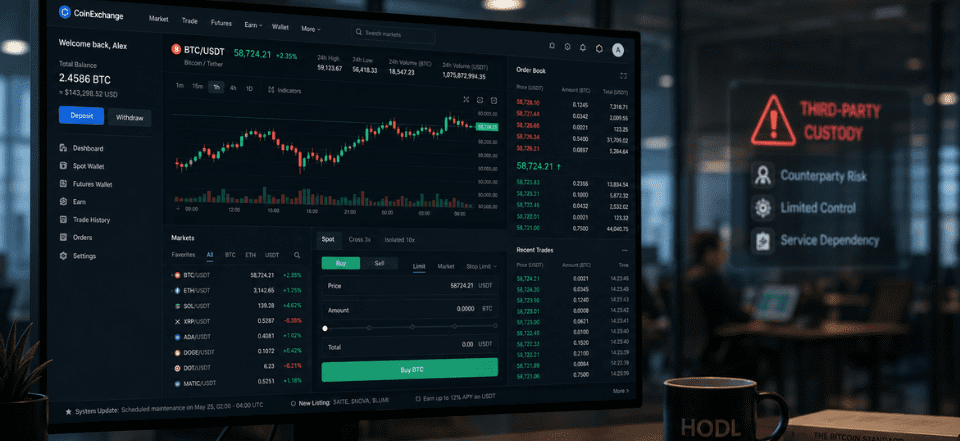
When assets remain on an exchange, investors do not truly control them. This dependence reflects the broader issue of crypto exchange centralization, where control remains concentrated in third-party platforms. The exchange controls the private keys. Users simply receive access through an account interface. This arrangement works well under normal circumstances, but it introduces dependency.
History has provided numerous examples of what can happen when that dependency breaks down. Exchange failures, insolvencies, withdrawal freezes, regulatory interventions, and operational mistakes have repeatedly affected users across multiple market cycles.
Even reputable platforms face risks. Cyberattacks evolve continuously. Regulatory environments change. Internal errors can occur. No centralized entity operates without exposure.
This does not mean exchanges should be avoided entirely. They serve important functions and remain essential components of the crypto ecosystem.
The key lesson is understanding their role. Exchanges are useful for transactions. They are not necessarily the ideal long-term storage solution.
Ownership becomes more meaningful when control extends beyond a login screen.
Section 3 — Why Self-Custody Changes Everything
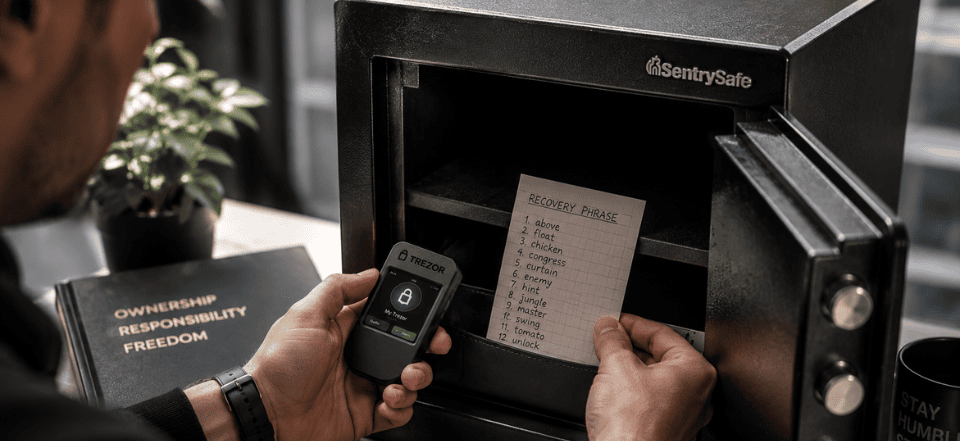
Self-custody represents one of the most powerful ideas introduced by cryptocurrency. It allows individuals to hold and control assets directly without requiring permission from a bank, broker, or centralized intermediary.
That freedom comes with responsibility.
For many investors, the transition to self-custody marks the moment they begin taking crypto wallet security seriously. Instead of depending on a third party, they become responsible for protecting access themselves.
This shift changes the entire mindset around ownership.
Traditional financial systems often rely on institutions to manage security on behalf of customers. Crypto operates differently. The owner becomes the final authority.
Although this responsibility may seem intimidating initially, it also provides significant advantages. Assets cannot be frozen by an exchange outage. Access does not depend on corporate solvency. Ownership remains under direct control.
As portfolios grow, these benefits become increasingly important.
Self-custody is not merely a technical choice. It is a recognition that true ownership requires direct responsibility for protection and access.

Section 4 — What Hardware Wallets Actually Do
Many people misunderstand the purpose of a hardware wallet.
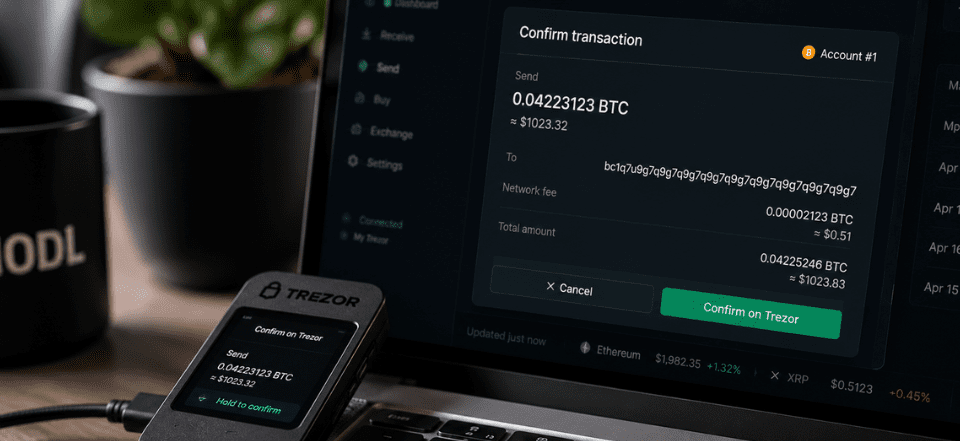
A hardware wallet does not store cryptocurrency itself. Digital assets remain recorded on their respective blockchains. Instead, the device protects the private keys used to authorize transactions.
This distinction matters because private keys represent control.
When private keys are exposed to compromised computers, malware, phishing attacks, or malicious software, ownership becomes vulnerable. Hardware wallets reduce this exposure by isolating critical security operations from internet-connected devices.
Rather than allowing private keys to interact directly with potentially compromised systems, the hardware wallet performs sensitive signing operations within a dedicated secure environment.
This approach significantly reduces attack surfaces.
The goal is not absolute invulnerability. No security system can guarantee perfect protection. Instead, hardware wallets create multiple layers of defense that make unauthorized access dramatically more difficult.
For long-term holders, this added protection can provide meaningful peace of mind.
For investors seeking stronger protection, hardware wallets like the Trezor Safe 3 and Trezor Safe 5 provide an additional layer of security by keeping private keys isolated from internet-connected devices.
Section 5 — The Mistakes That Cost People Fortunes
Most major crypto losses do not occur because technology fails. They occur because people make preventable mistakes.
The first and perhaps most common mistake is poor recovery phrase management. Many investors store recovery phrases digitally, take screenshots, save them in cloud storage, or leave them exposed on internet-connected devices. These habits create unnecessary risk because digital copies can be compromised without the owner’s knowledge.
Another costly mistake involves phishing attacks. Cybercriminals increasingly create convincing websites, emails, and wallet interfaces designed to trick users into revealing sensitive information. Even experienced investors occasionally fall victim when they become distracted or overconfident.
Overconfidence itself is another threat. After months or years without experiencing a security issue, some investors begin relaxing their protective habits. Security procedures that once felt essential gradually become optional.
Poor crypto wallet security practices often emerge during these moments of complacency.
Some investors also make the mistake of concentrating everything in a single location. While convenience improves, risk increases. Security improves when critical information, backups, and access methods are managed thoughtfully rather than stored in one vulnerable place.
The unfortunate reality is that many portfolio losses occur not because criminals are exceptionally sophisticated, but because basic security principles were ignored.
Section 6 — Why Trust Matters More Than Features
When evaluating security devices, investors often focus on technical specifications. Features matter, but trust matters more.
A hardware wallet becomes responsible for protecting access to assets that may represent years of savings and investment. Consequently, reputation, transparency, and long-term reliability deserve careful consideration.
This is one reason why established hardware wallet providers have earned significant loyalty within the crypto community. Investors want confidence that security practices have been tested under real-world conditions over many years.
Trust is built through consistency.
Transparent development processes, ongoing security research, regular updates, and a proven track record often provide more value than marketing claims or flashy features.
For long-term investors, choosing a security solution is not simply a technology decision. It is a risk-management decision.
The strongest products are often those that quietly perform their role year after year without creating unnecessary complexity.
This principle explains why certain hardware wallet brands continue to dominate discussions around self-custody and digital asset protection.
Section 7 — Choosing the Right Trezor Device
For investors considering hardware wallet protection, selecting the right device depends largely on portfolio size, security preferences, and experience level.
Trezor Safe 3 — Best for Most Investors
The Trezor Safe 3 provides an excellent balance between affordability, usability, and security. It is well suited for individuals moving from exchange custody into self-custody for the first time.
For many users, this model offers everything necessary to establish strong protection without unnecessary complexity.
Trezor Safe 5 — Premium Security Experience
Investors managing larger portfolios may prefer the Trezor Safe 5. Enhanced usability, touchscreen functionality, and additional convenience features create a more refined experience for frequent users.
While security remains the priority, ease of use can also play an important role in maintaining good long-term habits.
Trezor Model One — Proven Simplicity
The original Trezor Model One continues to appeal to users who appreciate straightforward functionality. Its longevity within the industry demonstrates the value of simple, reliable design.
Regardless of model selection, the primary benefit remains the same: reducing exposure to unnecessary risks while maintaining direct control over digital assets.
For anyone serious about long-term ownership, hardware wallets represent one of the most practical investments available.

Crypto Wallet Security — Ownership and Responsibility Are Inseparable
Cryptocurrency was designed to give individuals greater control over their financial assets. Yet that control carries responsibilities that traditional financial systems often absorb on behalf of users.
Market volatility may dominate headlines, but it is not always the greatest threat to long-term success. Security failures, poor habits, and avoidable mistakes can permanently destroy value regardless of market conditions.
Strong crypto wallet security practices help transform ownership from a speculative activity into a sustainable strategy. As digital assets mature into a larger layer of crypto infrastructure, personal security becomes increasingly important.
As the industry continues to mature, self-custody is becoming less of an advanced option and more of a foundational principle. Investors who take security seriously position themselves to benefit from the opportunities of digital assets while reducing unnecessary exposure to preventable risks.
Ultimately, the most expensive mistake crypto owners still make is assuming security can wait until later.
By the time security becomes urgent, it is often already too late.
Recommended Security Upgrade
If you hold crypto for the long term, a hardware wallet is one of the simplest ways to reduce risk. Explore the latest Trezor devices and choose the model that best fits your portfolio size and security needs.
Latest Trezor Devices
FAQ
What is crypto wallet security?
Crypto wallet security refers to the practices and tools used to protect private keys, recovery phrases, and access to digital assets.
Why should I use a hardware wallet?
Hardware wallets isolate private keys from internet-connected devices, reducing exposure to malware, phishing attacks, and unauthorized access.
Is keeping crypto on an exchange safe?
Exchanges are useful for trading, but long-term storage introduces dependency on a third party. Many investors prefer self-custody for larger holdings.
Which Trezor device is best for beginners?
The Trezor Safe 3 is often considered the best balance between security, usability, and affordability for most users.
Can a hardware wallet prevent all crypto theft?
No solution provides absolute protection. However, hardware wallets significantly reduce many of the most common attack vectors used against crypto investors.


